
Want to know if the “19 Pack Kitchen Clean Sponges for Dish,Scrub Sponges” is worth adding to your cleaning drawer?


Quick overview
I started with a simple goal: find an affordable, multipurpose sponge pack that reduces the time I spend at the sink. This 19-pack of microfiber sponges is aimed at everyday kitchen cleaning — dishes, pans, bowls and general wiping — and promises non-scratch scrubbing with strong decontamination and good water absorption. In my testing I focused on durability, effectiveness on different surfaces, and how they compare to other common options.
What I received and first impressions
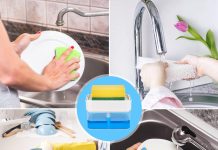
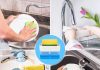
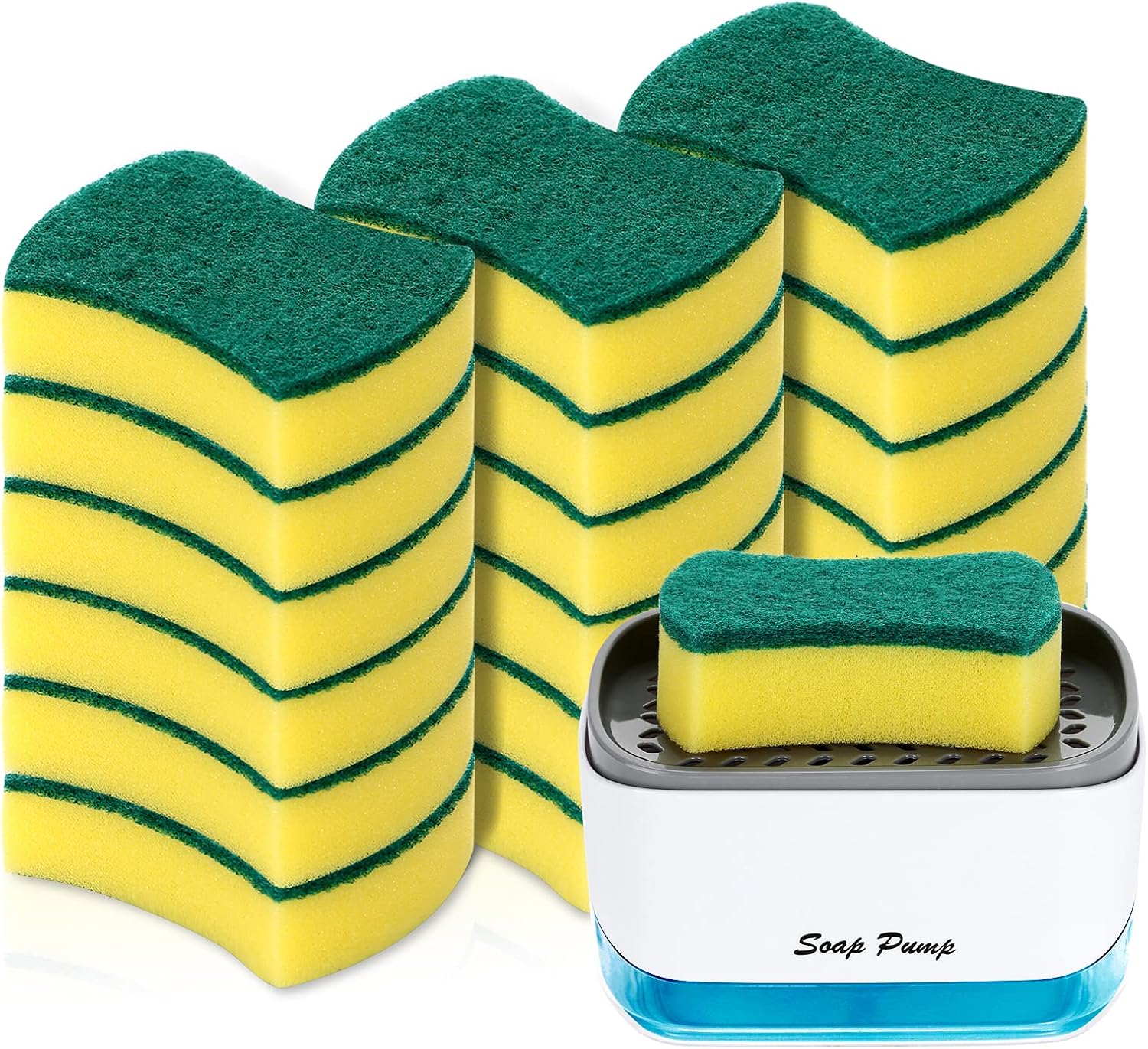
When I opened the package I was pleasantly surprised by the quantity and uniformity. All 19 sponges looked the same size and shape, and the microfiber surface felt soft but dense while the yellow foam side was noticeably absorbent. I appreciated that the design balances a soft, non-scratch face and a more scrubbing-friendly side for light grease. Packaging was simple and practical, which kept the price down and avoided unnecessary waste.
Packaging and presentation
The sponges came in a clear, lightweight plastic wrap that kept them clean without excess materials. I liked that the packaging made it obvious what I was getting and didn’t include excessive instructions or inserts. The labeling was straightforward and matched the product description.
First-touch materials feel
I noticed the microfiber side had a plush texture that felt like it would trap food particles and oils, while the yellow sponge side compressed easily under pressure and rebounded quickly. That combination gave me confidence they would absorb water well and provide adequate friction for scrubbing without scratching delicate surfaces.
Product specifications
I compiled the key details so you can see the basic specs at a glance. These are the facts I used to guide my testing and comparisons.
| Feature | Details |
|---|---|
| Product name | 19 Pack Kitchen Clean Sponges for Dish,Scrub Sponges |
| Material | Microfiber sponge with soft yellow non-scratch side |
| Size per sponge | 10 x 8 x 3 cm (3.94 x 3.15 x 1.18 in) |
| Color | As the picture shown — See more product details |
| Primary applications | Kitchen cleaning, pans, dishes, bowls, countertops |
| Quantity | 19 sponges |
| Key qualities | Non-scratch, good water absorption, strong decontamination |
| Manufacturer claims | Fast cleaning without scratching, makes housework easier |
Notes on the listed specs
I included size in both metric and imperial units because I found that helpful for visualizing how these sponges fit my hand and sink space. The microfiber surface and yellow non-scratch side are the defining characteristics, and I tested each to see how those features held up in regular use.

How I tested them
I used a consistent approach to evaluate cleaning power, scratch behavior, water absorption, odor buildup, and durability. I washed a variety of items over several weeks — ceramic plates, stainless steel pots, nonstick pans, glassware, plastic containers, and countertops — to capture a representative picture of performance.
Conditions and frequency
I used the sponges multiple times daily for two weeks, rotating through the pack to simulate real-life household turnover. I included the following tasks: soaking and scrubbing greasy pots, wiping counter spills, scouring baked-on food after soaking, and gentle cleaning of glass and nonstick surfaces.
Cleaning agents and techniques
I used standard dish soap for most tasks, sometimes adding a baking soda scrub for particularly stubborn residue. I compared performance when using only water, dish soap, and a bit of soaked baking soda. I also occasionally used the sponge dry for wiping up crumbs and sticky spills.
Performance: dishes and bowls
For everyday dishes and bowls the sponges performed very well. The microfiber side attracted food particles and light grease easily, and the yellow non-scratch side removed residue without harming ceramic glazes or glossy finishes.
Removing stuck-on food
When dealing with stuck-on oatmeal or rice, I used a short soak followed by gentle pressure with the yellow side. I was impressed by how quickly the residue loosened and rinsed away, with minimal effort and no visible scratches on my ceramic bowls.
Handling glassware and delicate items
I switched to the microfiber face for glassware and other delicate items. That side left glasses streak-free and did not cause clouding. I still rinsed carefully to avoid water spots, but the sponge’s gentleness meant I felt comfortable using it on wine glasses and crystal-lookware.
Performance: cookware and pans
Cookware performance was the most important test for me. I assessed these sponges on stainless steel, cast iron (after re-seasoning), and nonstick surfaces.
Stainless steel pots and pans
The yellow non-scratch sponge removed grease and light baked-on bits from stainless steel effectively when combined with a short soak. It didn’t leave swirl marks or dull areas, which I appreciated because stainless steel can show abrasions easily.
Nonstick and coated surfaces
I was careful with my nonstick pans. The microfiber face handled light spills and gentle wiping well, but for heavier residues I used the yellow side cautiously. The sponges did not damage the nonstick coating in my testing when I avoided aggressive scrubbing on dry stubborn stains.
Cast iron and heavy-duty scrubbing
For cast iron I typically use chainmail scrubbers or stiff brushes, but I experimented by soaking the pan and using the yellow side for residual particles. The sponges worked for light cleaning after cooking but weren’t a substitute for deep cast iron maintenance. I’d recommend them for routine upkeep rather than resurfacing or heavy-scale carbon removal.

Performance: grease and oil
Grease is where a sponge’s absorption and scrubbing balance really matters. I found these microfiber sponges handled light-to-moderate grease very well.
Absorption and soap retention
The microfiber side absorbed suds and held onto soap, making it efficient when I wanted to wash multiple plates without constantly reapplying detergent. That also made rinsing quicker because the soap foam stayed in contact with the surface longer.
Cutting through oily residue
When I tackled frying pans and oily dishes, the yellow side combined with hot water and dish soap removed residue without aggressive rubbing. For heavy, gummy oil layers I sometimes used a sprinkle of baking soda, which improved results and was gentle on surfaces.
Durability and lifespan
A pack of 19 gives you natural rotation, and that seemed to extend each sponge’s usable life. Over the two-week focused test, individual sponges remained intact and usable.
Wear and tear observations
After daily use some sponges showed mild fraying on the microfiber surface and small compressions in the yellow foam, but nothing that affected performance dramatically. That suggests moderate durability for the price point.
Odor buildup and bacterial concerns
Microfibers and sponges can trap moisture, so I made a point of rinsing and squeezing them dry and storing them in a ventilated area. A few sponges developed a faint odor after extended use without drying properly, but a quick rinse with vinegar or a short microwave-dry cycle (wet sponge only) helped refresh them. I prefer to rotate sponges frequently and replace them when odor or visible degradation appears.
Cleaning and maintenance tips
I found a few straightforward steps kept the sponges performing well and minimized odor growth. These small habits extended their life and kept kitchen hygiene high.
Rinsing and wringing after use
I always rinse out food particles and soap residue, then wrung them thoroughly. Air-drying on a rack or a slotted holder prevented moisture buildup and delayed odor and bacterial growth.
Occasional deep cleaning
Every few days I soaked sponges in a mixture of hot water and white vinegar for 10–15 minutes, then rinsed and air-dried. Occasionally I tossed a sponge in the washing machine (gentle cycle, air dry) or used a short microwave cycle when damp for disinfecting. These approaches revived the sponge’s texture and helped remove buildup.

Value for money
With 19 sponges in a pack, the unit cost is low and gives you the freedom to rotate frequently or keep spares for different tasks. For households that use disposable or short-lived sponges, this pack reduces the need for frequent repurchasing and feels economical.
Comparing cost to alternatives
Compared to branded heavy-duty scrubbing pads or reinforced scouring sponges, this 19-pack is cheaper per unit. If you want premium durability or heavy-abrasive power, those specialized options are still worth considering, but for everyday cleaning this pack offers a strong price-to-performance ratio.
When it’s not the best value
If you need an industrial-grade scrubber for heavy carbon or rust removal, these sponges aren’t the right tool. They’re designed for moderate household scrubbing and general cleaning, not replacing tools created for heavy removal tasks.
Pros and cons
I like to keep a balanced list so you can quickly decide whether these sponges fit your needs. I found both strengths and limitations in everyday use.
Pros
- Excellent quantity for rotation and backup use.
- Microfiber side traps grease and food particles effectively.
- Yellow non-scratch side removes light baked-on residue without scratching most surfaces.
- Good water absorption and soap retention, making cleaning efficient.
- Low cost per sponge.
Cons
- Not ideal for heavy-duty scouring or removing thick carbonized residues.
- Some odor buildup if not dried and rotated frequently.
- Microfiber can show mild fraying over extended, heavy use.
Use cases and best practices
I think these sponges are versatile and fit many kitchen tasks if you match the sponge side to the job. Here are the practical ways I used them and recommend you use them.
Everyday dishwashing
Use the microfiber side for gentle wiping and the yellow side for stuck-on food after soaking. This approach kept my dishes clean without repeated scrubbing.
Countertops and appliances
The microfiber side works great for wiping counters, stove tops, and small spills on stainless steel or laminate. It absorbs quickly and picks up crumbs and dust with minimal residue.
Bathroom and general household cleaning
I occasionally used the sponges for light bathroom cleaning — wiping sinks and fixtures — and for cleaning small spills or marks around the house. They’re not for grout or heavy bathroom scrubbing but work well for routine maintenance.

Safety and surface compatibility
I tested on common household surfaces and found no scratching or visible damage when used appropriately. However, I recommend testing on an inconspicuous area for delicate or specialty finishes.
Nonstick pans and sensitive surfaces
I treated nonstick pans with caution and rarely applied heavy pressure with the yellow side. If you have a very delicate coating, stick to the microfiber face for most tasks.
Stainless steel and ceramic
Stainless steel and ceramic responded well to the yellow side when used for moderate scrubbing and with hot water and soap. I saw no long-term scarring or discoloration.
Environmental considerations
The pack is economical but does include multiple sponges, which can raise questions about waste. I tried to maximize lifespan through maintenance and rotation.
Reuse and disposal
I extended sponge life with regular cleaning, which reduced the frequency of replacement. When sponges finally wore out, I disposed of them responsibly with general household waste; they’re not compostable. If you prioritize low-waste solutions, consider combining these with more durable tools for heavy tasks.
Packaging impact
The simple packaging is functional and minimal. I appreciated the absence of excessive plastic and printed inserts, even though the outer wrap was plastic — smaller and less wasteful than many retail blister packs.
Comparison with other common sponge types
I compared these microfiber sponges to standard cellulose sponges, heavy-duty scouring pads, and silicone scrubbers to understand trade-offs.
Vs. cellulose sponges
Microfiber sponges tend to retain shape and resist odors longer with proper care. Cellulose can be softer but may disintegrate faster and trap odors more quickly. I preferred the microfiber for surface cleaning and moisture handling.
Vs. abrasive scouring pads
Heavy-duty scouring pads outperform these sponges on extreme grime but risk scratching delicate finishes. For everyday use and mixed surfaces, I chose these microfiber sponges for their gentleness.
Vs. silicone scrubbers
Silicone scrubbers are easy to sanitize and very durable, but they don’t hold soap as well and can be less effective at picking up food particles. The microfiber sponges combine absorbency and debris capture in ways that suited my regular dishwashing routine.
Storage and organization suggestions
Because the pack includes many sponges, I arranged a simple storage plan to keep the kitchen tidy and sponges healthy.
Storing wet sponges
I used a ventilated sponge holder for the sponges in use and kept extras in a dry drawer. This prevented mold and odor and made it easy to swap out a tired sponge for a fresh one.
Using labels and rotation
I labeled a few sponges for specific tasks (e.g., dishes, counters, bathroom) so cross-contamination was minimized. Rotation ensured no single sponge was used beyond its comfortable lifespan.
Troubleshooting common issues
I ran into a few small problems and found simple fixes that might help you get the most out of the pack.
Faint odor after extended use
A quick soak in white vinegar or a short sanitizing microwave cycle (sponge wet only) refreshed them. Regular air-drying and rotation prevented most odor issues.
Fraying microfiber
Fraying after long-term heavy use is normal. If the microfiber develops loose fibers, I trimmed them carefully and continued light-duty use, but replaced the sponge when performance declined.
Who should buy this product
I recommend this pack for people who want a budget-friendly, multipurpose sponge solution for everyday home cleaning tasks. If you host frequently, have a large household, or prefer to rotate sponges regularly, the 19-count gives good flexibility.
Ideal users
- Families and shared households who need multiple sponges.
- People who cook regularly and want a low-cost maintenance option.
- Anyone seeking gentle, non-scratch cleaning for dishes and countertops.
Who might pass
If you require industrial-grade scouring or have specialty cookware that demands dedicated tools, you might combine these sponges with other scrubbers or choose a tougher product for those specific tasks.
FAQs based on my testing
I answered common questions I had before buying and things I saw others asking while researching the product.
Are these sponges dishwasher-safe?
I occasionally used the washing machine for a gentle refresh and it worked fine, but I preferred hand-soaking or vinegar soaks for convenience. I avoided putting them in a high-heat dishwasher cycle.
Do they scratch nonstick pans?
Not in my tests when used with caution. I avoided aggressive dry scrubbing and preferred soaking before applying pressure. For heavily burnt residues, I chose a more appropriate tool.
How long do they last?
Lifespan depends on frequency of use and care. With daily use and good maintenance, I got a couple of weeks of reliable performance per sponge before mild wear; rotating through 19 sponges prolonged the overall utility and reduced the need for immediate replacement.
Final verdict
After several weeks of testing I felt the “19 Pack Kitchen Clean Sponges for Dish,Scrub Sponges” offered a great balance of value, gentle cleaning power, and practical quantity. I liked the microfiber side for delicate cleaning and the yellow non-scratch side for everyday scrubbing. They aren’t a replacement for heavy-duty scourers or specialized tools, but for household dishes, pans, bowls, counters, and general cleanup they performed reliably.
My recommendation
I recommend this pack if you want an affordable, flexible cleaning solution to handle most kitchen tasks. Buy it if you prefer to rotate sponges frequently and want a low-cost way to keep cleaning tools fresh and on hand. If you prioritize heavy abrasive power or need long-term industrial durability, pair these sponges with a more aggressive scrubber for occasional heavy jobs.
Additional tips I’ve found useful
I want to leave you with a few practical habits that improved my results and extended sponge life during testing.
- Rinse and squeeze thoroughly after each use and store in a ventilated holder.
- Rotate sponges by designated tasks to avoid cross-contamination.
- Use occasional vinegar soaks or machine washes to refresh and sanitize.
- Pair with baking soda for stubborn residues instead of aggressive scrubbing.
- Replace sponges as soon as they show odor, permanent staining, or structural breakdown.
If you want, I can compare this 19-pack directly with a specific brand or recommend storage holders to go with it.

Disclosure: As an Amazon Associate, I earn from qualifying purchases.